fbpx
Recent Blog Posts

Rhodes Wellness College

Counselling

3 Necessary Skills to Become a Wellness Counsellor

All over the world, wellness is a growing field. In fact, the Global Wellness Institute has determined that “The industry grew by 6.4 percent annually from 2015–2017, from a $3.7 trillion to a $4.2 trillion market, nearly twice as fast as global economic growth” (Global Wellness Institute,...
Continue Reading

Therapy of the Week: Narrative Therapy

Narrative therapy is a technique that helps an individual separate themselves from a problem that may be present in their lives (“Narrative Therapy”, 2018). This in turn leads them toward playing the role of “narrator” in their own lives and using skills they’ve acquired through life to...
Continue Reading

How to Help Clients Build Great Relationships Through Relationship Counselling

While very rewarding, relationships can also bring challenges and difficulties. Most couples will have disagreements with each other from time to time. In some cases, these disagreements may continue escalating, and relationship counselling could be beneficial for both parties. Working as a...
Continue Reading

Exploring the Relationship Between Sound and Stress When You Become a Wellness Counsellor

Stress has an effect on all aspects of personal wellness. It is also experienced by a significant amount of the population. Indeed, almost 30% of Canadians aged 35 to 49 rate their stress levels as either “most days quite a bit” or “extremely stressful” (“Perceived Life Stress”, 2019)....
Continue Reading

Technique of the Week: Dialectical Behaviour Therapy (DBT)

Dialectical Behaviour Therapy (DBT) is a form of behavioural therapy designed to help clients using strategies based around acceptance, change, mindfulness, and problem-solving. It is often used to help people with borderline personality disorder (BPD), as well as those with substance misuse issues,...
Continue Reading

Postpartum Depression: Helpful Tips from Professional Counsellors

Postpartum Depression (PPD) occurs after childbirth, usually within the first 1-3 weeks (“Postpartum Depression”, 2013). However, it is not limited to the first few weeks, and can occur any time in the first year after giving birth (“Postpartum Depression”, 2013). It lasts for extended...
Continue Reading

How Social Media Is Affecting How We Perceive Ourselves. How This Can Tie into Depression and Anxiety

One would think that the ability to see friends’ latest posts on Facebook or to send them a quick message on Twitter would help us feel happier and more connected. However, the exact opposite seems to be happening. A growing body of research suggests that social media is causing a mental health...
Continue Reading

What Counselling Therapists Should Know About the Arrival Fallacy

In our goal-oriented world, it’s not uncommon to hear someone say that they’ll be happy once they secure a coveted promotion, gain that much-desired raise, or even become famous. In fact, according to one recent study, for over 80% of millennials, becoming rich is one of their greatest ambitions...
Continue Reading

Helping Clients Overcome Feelings of Shame with the Help of Addictions Counsellor Training

Shame and addiction are closely related. People who feel high levels of shame, for example, are more likely to develop an addiction to drinking or gambling (Bilevicius, E. et al., 2018). Such feelings can lead to a negative circle whereby the addiction causes shame and that sense of shame in turn...
Continue Reading

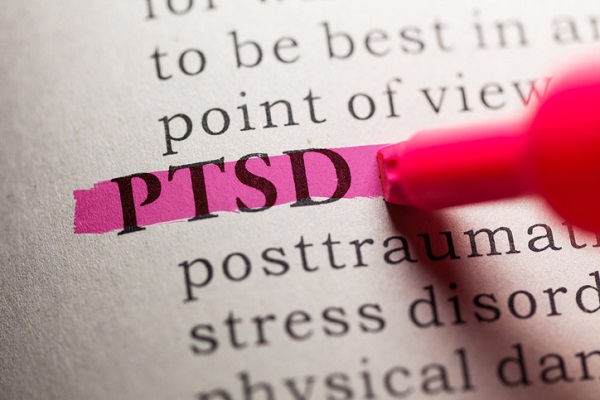
PTSD: Helpful tips from Professional Counsellors

Canada has one of the highest rates of post-traumatic stress disorder (PTSD) in the world. In fact, of the 24 countries included in one notable PTSD study, Canada ranked highest for this mental illness, ahead of Australia, the United States, China, Nigeria, and Romania (CBC, n.d.). Indeed, according...
Continue Reading

Accreditation & Recognition

Rhodes Wellness College has been delivering education since 1996, establishing connections within the industries we and our students serve. Committed to maintaining high standards and safeguarding public trust, our programs are accredited and recognized by leading associations that uphold stringent educational standards, ensuring excellence and competency in coaching, counselling, nutrition, registered massage therapy, animal-assisted wellness therapy and wellness. Please click here to learn more about our accreditation and the recognition we have earned in the field.




  • PTIRU
  • EQA
  • Imagine
  • CPCA
  • ACCT
  • CMTCA


  • PTIRU
  • EQA
  • Imagine
  • CPCA
  • ACCT

Rhodes Wellness College is regulated by the Private Training Institutions Regulatory Unit (PTIRU) of the Ministry of Post-Secondary Education and Future Skills.

Designated B.C. Private Training Institutions Branch & Shield Design mark is a certification mark owned by the Government of British Columbia and used under licence. To view our college’s PTIRU “Designation Certificate”, please click here